PRECISION AGRICULTURE
Integrated Environmental Control Greenhouse
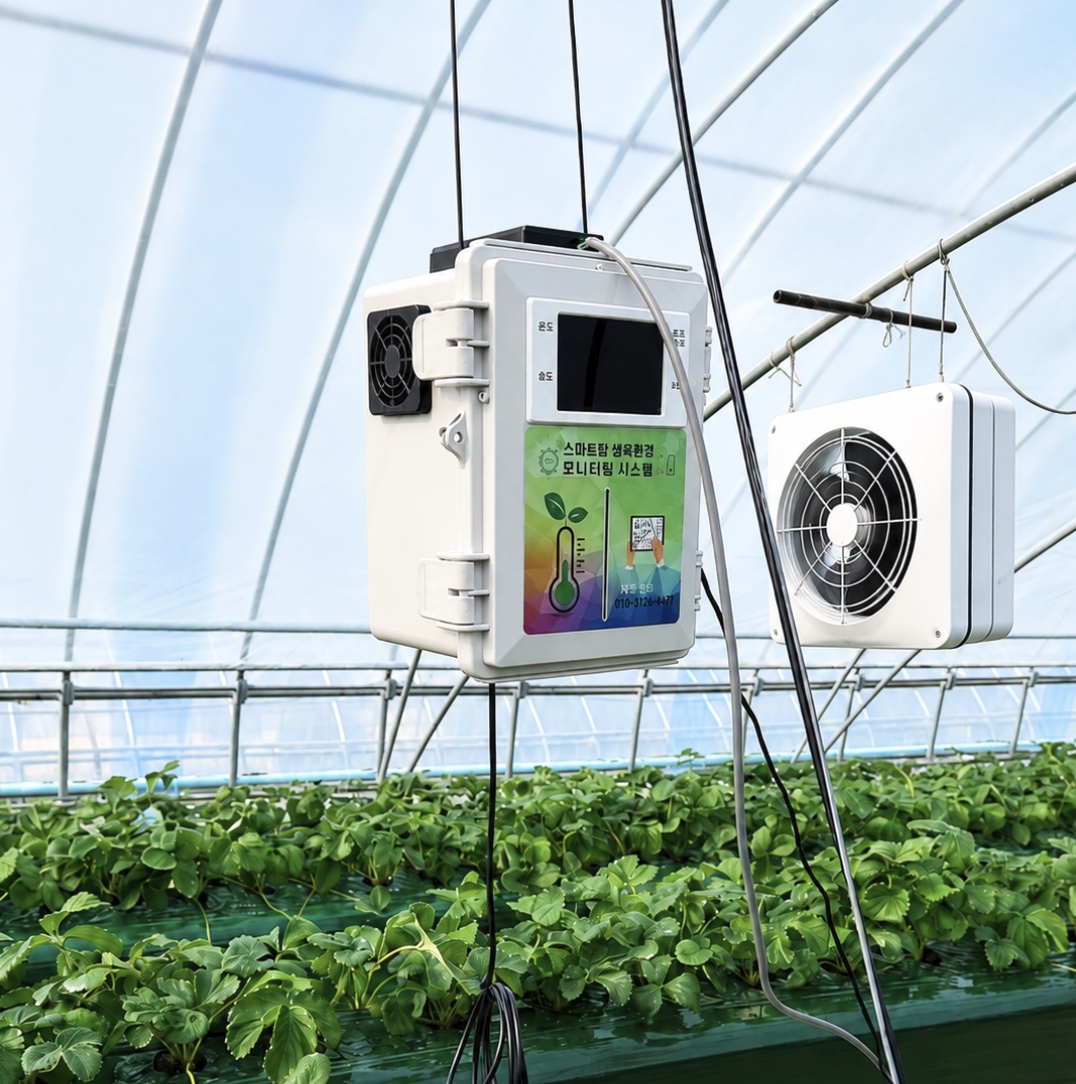
Integrated environmental control creates suitable growing conditions and supports stable crop production.

Understand cultivation conditions through data and coordinate environmental control for crop growth.
Environmental monitoring · irrigation · nutrient solution control · remote operations
We collect and analyze temperature, humidity, CO₂, light, EC, pH and other cultivation environment data in real time, integrating ventilation, heating and cooling, shading, irrigation and nutrient solution equipment.
ADAS provides integrated cultivation systems from facility construction to environmental control and remote monitoring to support stable crop growth.
View key cultivation parameters such as temperature, humidity, CO₂ and light in real time
Coordinate ventilation, heating and cooling, and shading equipment to maintain suitable growing conditions
Supply the appropriate amount of water when needed, based on soil moisture and environmental conditions
Monitor EC and pH to supply nutrient solution precisely according to setpoints
View site conditions and remotely control equipment via the web and mobile devices
Temperature · humidity · carbon dioxide (CO₂) · light · electrical conductivity (EC) · pH · soil moisture
Real-time environmental monitoring · ventilation, heating, cooling and shading control · irrigation based on soil moisture and environmental conditions · EC- and pH-based nutrient solution supply · web and mobile remote monitoring and control
Integrated environmental control creates suitable growing conditions and supports stable crop production.
EC- and pH-based nutrient solution and irrigation control reliably supply the moisture and nutrients crops need.
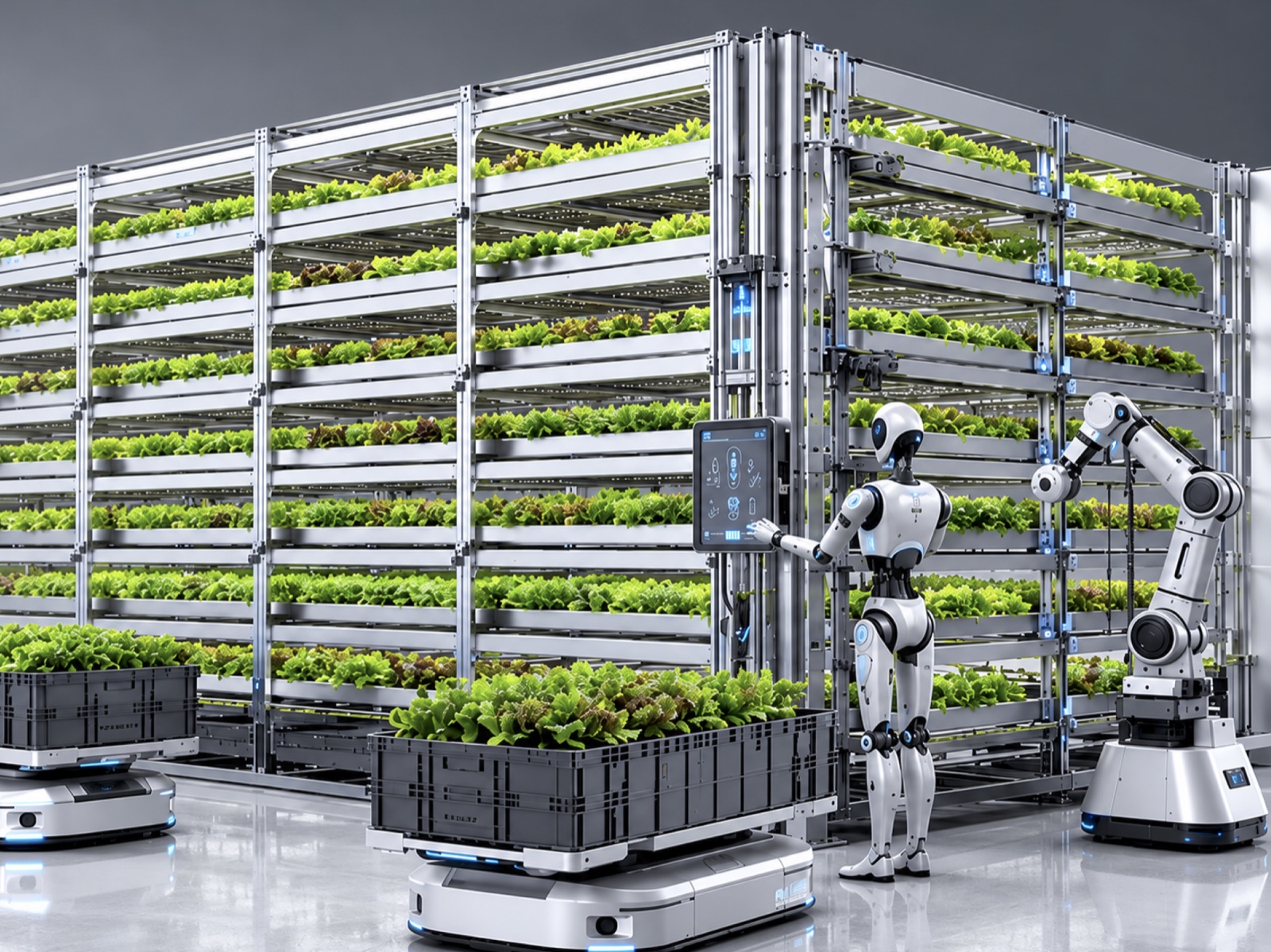
Coordinate a self-contained growing environment to support stable crop cultivation regardless of outside conditions.
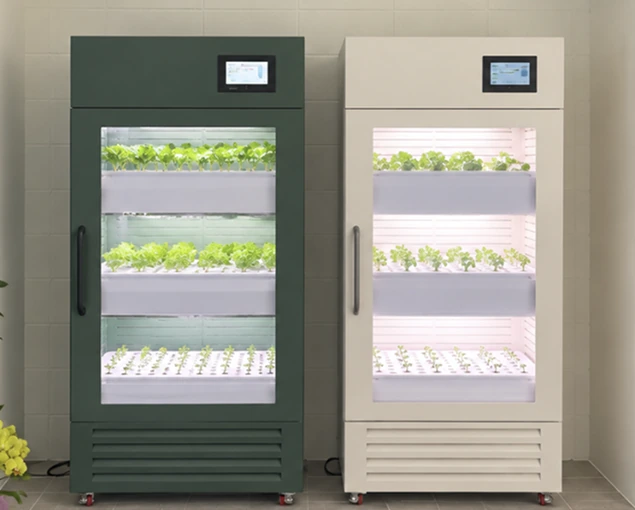
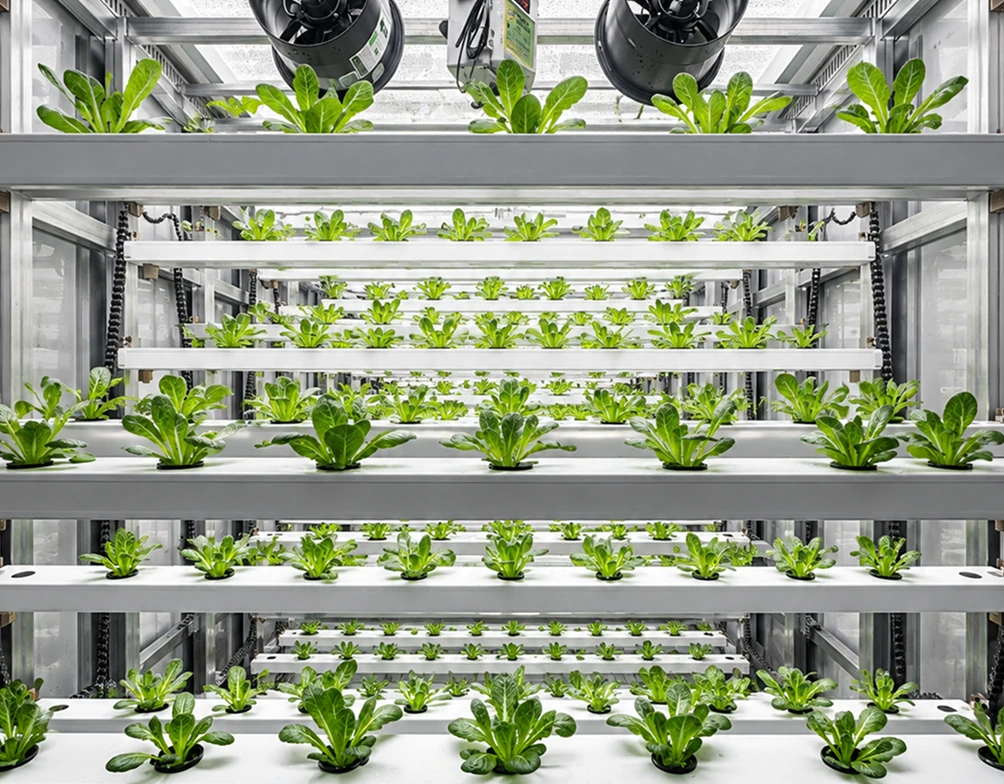
A small-scale indoor cultivation system that integrates and controls temperature, light, nutrient solution and other growing conditions.
A consultation workflow for joint review. Detailed schedules and scope vary by site.
Share the crops, facility size, cultivation method and existing equipment.
Review required environmental measurements, including EC, pH and soil moisture.
Define the integration scope for ventilation, heating and cooling, shading, irrigation and nutrient solution equipment.
Review the environmental data and equipment status to be accessed via web and mobile devices.
View environmental data and connected equipment status to support remote operations.
View field data and connected equipment status in one interface.
View and control connected equipment via the web and mobile devices.
Review accumulated environmental data to support operational decisions.
We collect sensor data and connect control devices to view environmental and equipment status. Remotely control the required equipment and review site operations using recorded data.
Displayed parameters and connected equipment vary with each site's configuration.
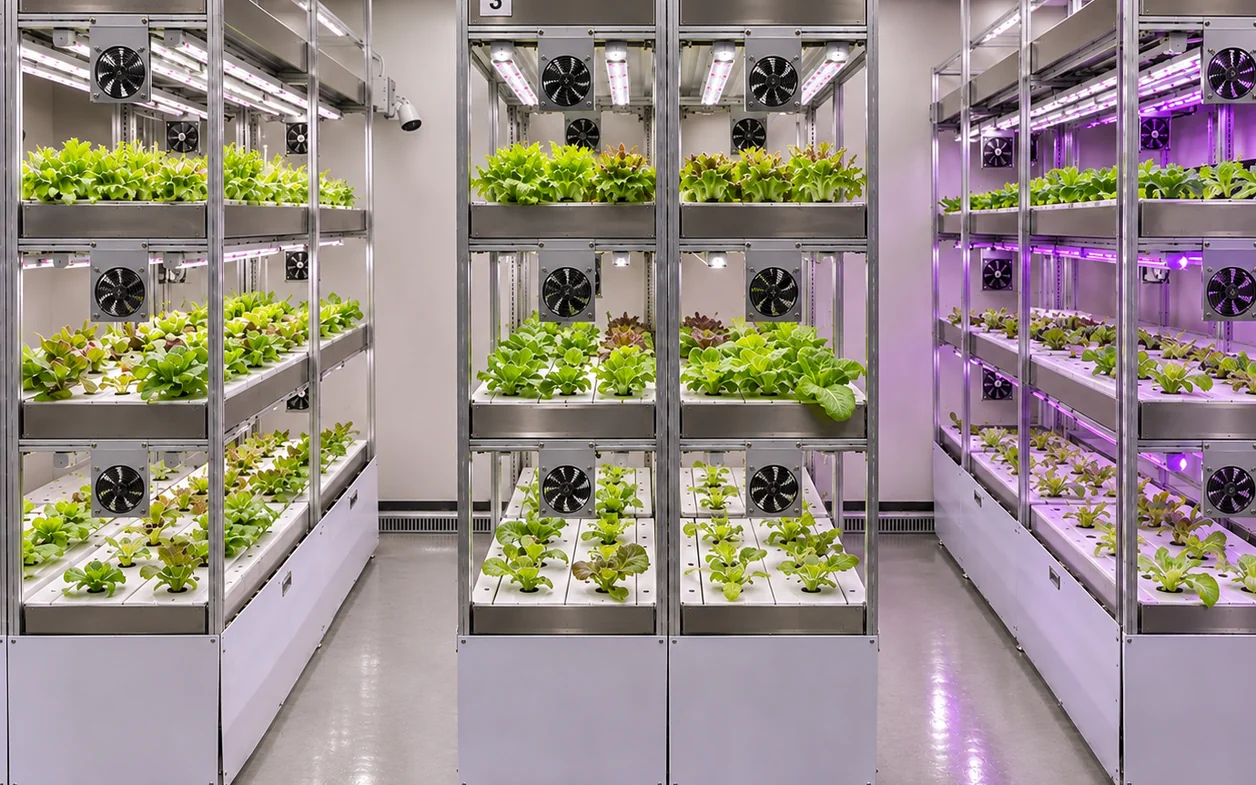
A training facility combining plant cultivation and environmental monitoring.
View actual training facility photographs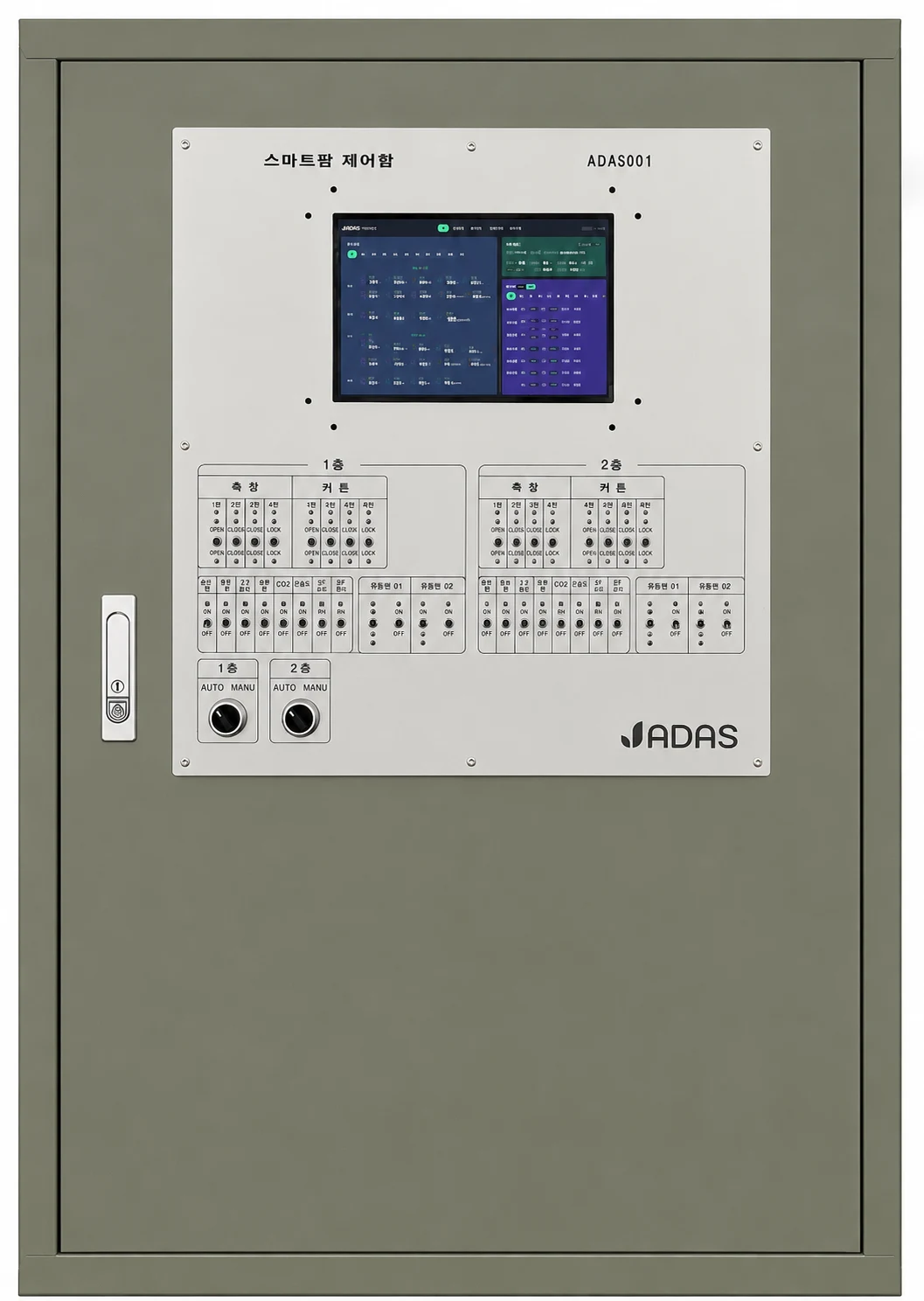
A control system that collects greenhouse environmental data and integrates ventilation, heating and cooling, shading, irrigation and other key equipment to maintain suitable growing conditions.
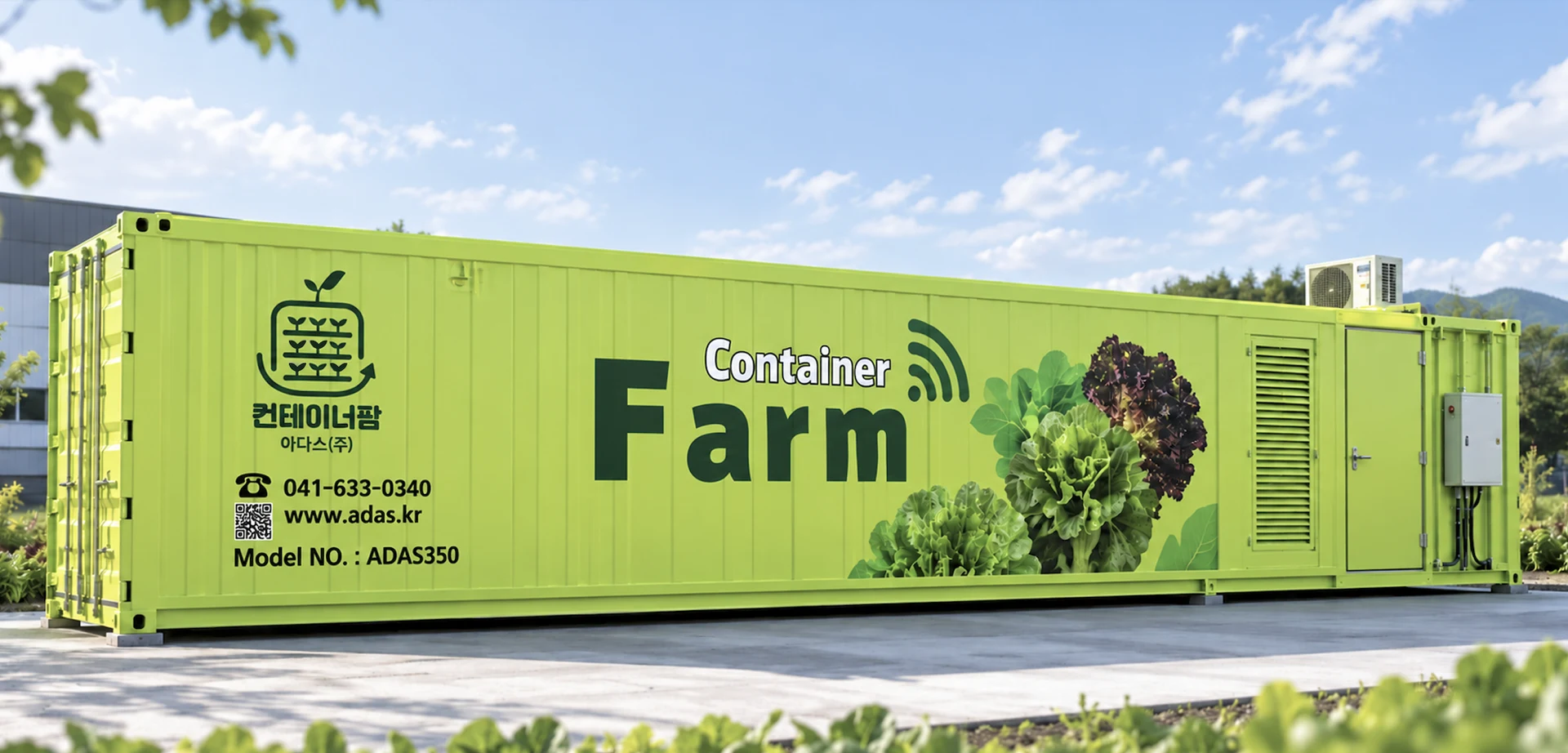
A self-contained cultivation facility with growing and environmental control equipment inside a container, designed to minimize external influences and maintain consistent growing conditions.
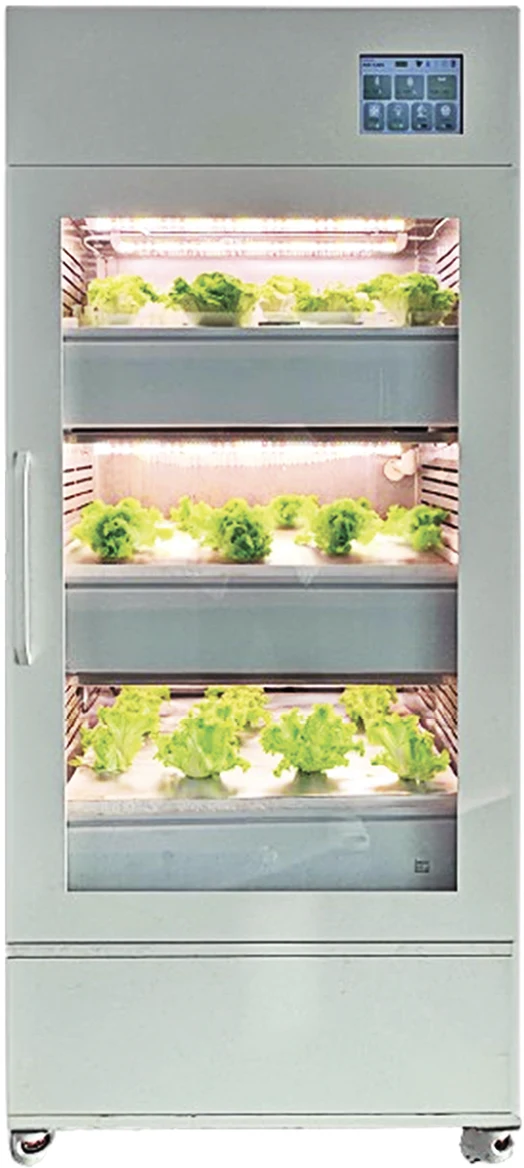
A small-scale indoor cultivation system that integrates temperature, light and nutrient solution management.
You do not need exact equipment names. Tell us about your site conditions and management goals first.
Location · facility size · crops · cultivation method
Existing sensors · required environmental parameters · current EC, pH and soil moisture measurement
Ventilation, heating and cooling, shading, irrigation and nutrient solution equipment information
Environmental monitoring · automatic control · self-contained cultivation facilities · remote management
Our business materials include EC- and pH-based nutrient solution supply and irrigation based on soil moisture and environmental conditions. We review the configuration after checking the cultivation method and equipment.
A container farm is a self-contained cultivation facility; a mini farm is a small-scale indoor cultivation system. Tell us your installation space and cultivation goals so we can review the configuration together.
Our business materials include temperature, humidity, CO₂, light, EC, pH and soil moisture. Actual configurations depend on the required measurements and site conditions.
Costs and schedules depend on site size, existing devices and the required installation and control scope. Share your site information and project goals so we can review the configuration first.
Tell us about your business area, current equipment and project goals.